Board games and card games have been entertaining us for centuries. But what exactly sets them apart? At their core, both types of games offer a fun way to bring people together, encourage strategy, and spark creativity. Understanding the nuances between these two can help you appreciate the unique experiences they provide.
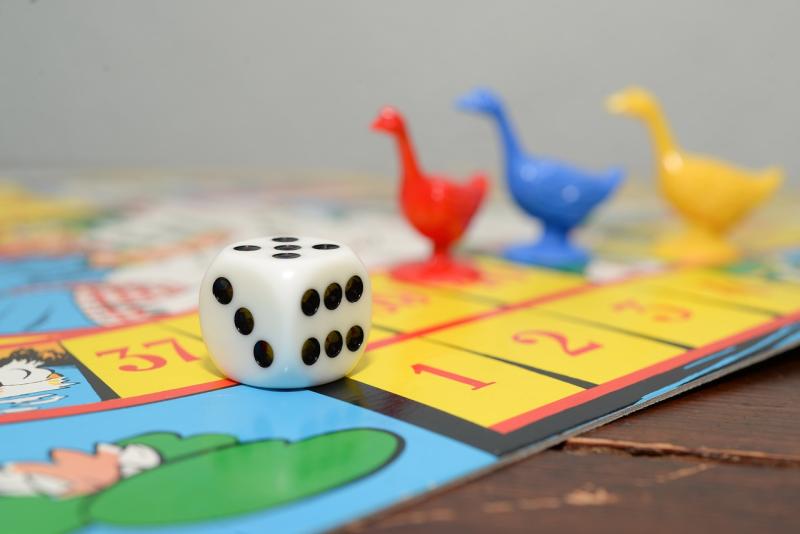
Board games typically revolve around a physical board along with pieces or tokens. They often have a structured set of rules that guide players through gameplay, whether it's rolling dice, moving pieces, or collecting resources. Some popular examples include Monopoly, Settlers of Catan, and Ticket to Ride. These games tend to offer a more immersive experience, with often elaborate boards and components that create a thematic atmosphere.
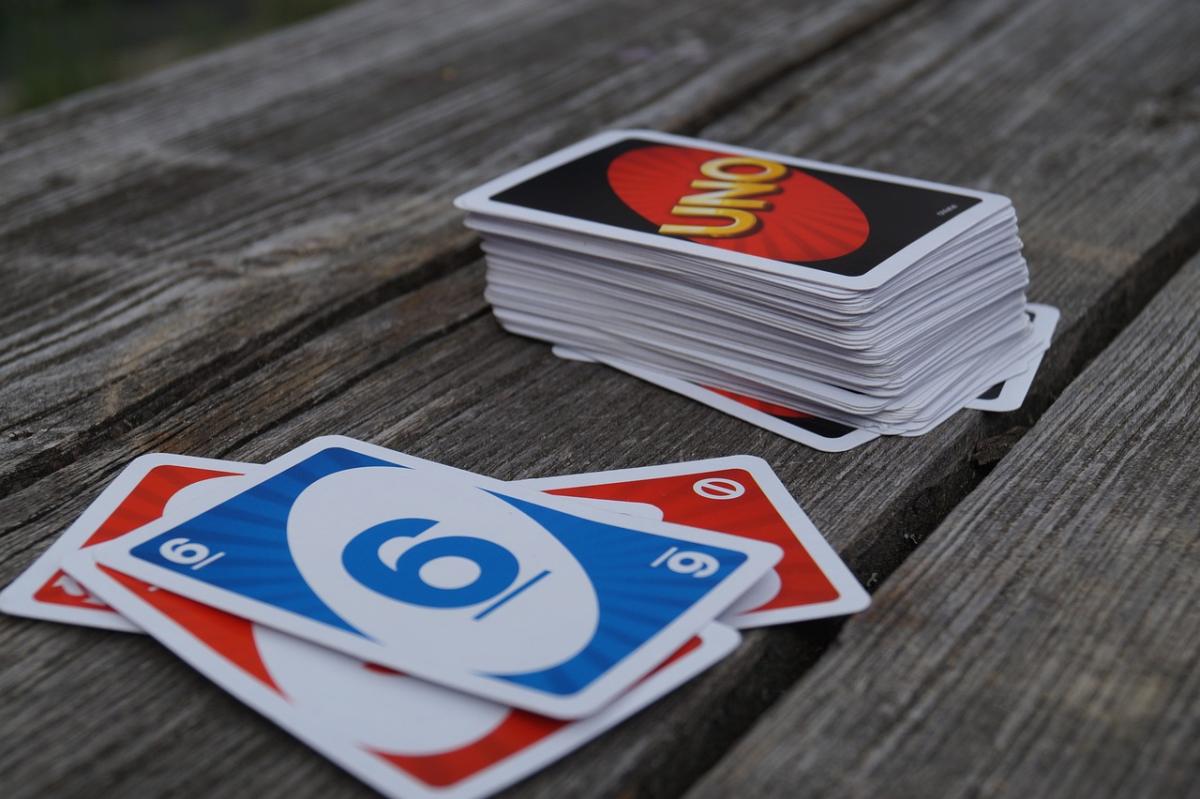
On the flip side, card games shine in their simplicity and versatility. They usually rely on a deck of cards and can range from games like Poker and Blackjack, which are all about strategy and luck, to collectible card games like Magic: The Gathering, which mix strategy with deck-building and customization. Card games are often easier to set up, making them ideal for spontaneous game nights.
So, are card games really board games too? It kind of depends on how you define a board game. Some might say anything that involves gameplay with rules fits the bill. Others might argue that the presence of a board is key. Ultimately, both types of games offer unique experiences that can cater to different preferences and occasions. Whether you’re gathering around a board or shuffling cards, the most important part is having fun with friends and family.
Similarities Between Card and Board Games
When you think about games, card games and board games might feel like they're from two different worlds. But if you look a little closer, you’ll see they share some key similarities. For starters, both types of games often involve a captivating mix of strategy and luck. Whether you’re drawing cards or moving pieces around a board, success can depend on your choices and a little bit of chance.
Another similarity is the social aspect. Both card and board games bring people together, making them perfect for game nights with family and friends. Whether you’re sitting around a table playing poker or rolling dice in Monopoly, the laughter, competition, and camaraderie are what make these experiences enjoyable. Most of the time, the rules are easy to grasp, which means you can jump right in and start having fun.
Plus, many games in both categories feature similar themes, like adventure, strategy, or even storytelling. You might come across a board game that uses cards as a part of the gameplay, or a card game that has complex strategies similar to more traditional board games. This crossover shows how intertwined these two types of games really are.
Lastly, both can range from casual to more intense gameplay. Whether you’re looking for something simple like Uno or something deeper like Settlers of Catan, there’s a game out there that can fit the mood. So, while card games and board games may have their distinct characteristics, they share many traits that make gaming a fun and engaging experience!
When to Choose Card Over Board Games
When you're deciding between card games and board games, it’s good to think about the vibe of your game night. If you’re looking for something quick and easy to get into, card games are often the way to go. Games like Uno or Exploding Kittens can be set up in minutes, making them perfect for gatherings where everyone wants to jump right in and start having fun.
On the other hand, if you want a deep dive into strategy and gameplay, board games may be more your speed. They usually offer more complex rules and mechanics, which can create an immersive experience. But if your group is in the mood for something more relaxed and casual, grabbing a pack of cards may be the better choice.
Another thing to consider is space. Card games require much less room than most board games. If you’re at a small table or on the couch, you can easily lay out cards without needing a large surface. Plus, most card games are super portable, making them great for travel or playing on-the-go.
Lastly, think about how many people you have on hand. Some card games can be played with just a couple of players, while board games often need a larger group to be enjoyable. If you have a mixed crowd, card games can keep everyone engaged without leaving anyone feeling left out.
Fun Ways to Combine Both Game Types
If you're a fan of both card games and board games, you’re in for a treat! There are tons of fun ways to mix elements from both worlds to create a unique playing experience. Let’s dive into some enjoyable combos that can spice up your game nights!
One of the easiest ways to blend these two types is by using cards as game pieces. For instance, you can set up a traditional board game like Monopoly but let players use their favorite deck of cards as their tokens. Imagine racing around the board while playing an exciting card game simultaneously. It brings a fresh twist and adds an extra layer of strategy!
Another fun idea is to play a classic card game with a board game twist. Take something like Uno and create a personalized game board that tracks player progress. Use your favorite game’s themes and mechanics to enhance the experience. For example, you could integrate move tokens or dice rolls to determine how many cards you draw or how many spaces you advance.
You can also combine game objectives to create a hybrid game. Start with a card game, such as Poker, and add a set of board game challenges. For every hand dealt, players could also draw from a challenge deck where they have to complete silly tasks or answer trivia related to the theme of the game. This not only keeps everyone engaged but adds a fun social aspect that keeps the laughs coming!
Don’t be afraid to get creative. Whatever rules you decide on, the goal is to have a blast with friends or family. Experimenting with different game styles can lead to unexpected fun and can make your game night truly memorable!